

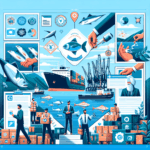
The recent joint endorsement agreement between a major accreditation body and the World Sustainability Organization marks a crucial milestone for the Friend of the Sea certification, which is now recognized as a sub-scope of an important multilateral recognition agreement. This achievement not only enhances the credibility of the program but also contributes to the spread of sustainable practices in the marine industry, an increasingly relevant field given the rising focus on environmental issues.
Friend of the Sea is a certification program dedicated to promoting sustainable practices in the fishing and aquaculture sectors. As global awareness of ecological issues grows, so does the demand for sustainable seafood. This program addresses that demand by establishing strict criteria related to fishing practices and environmental impact. Thanks to this recognition, Friend of the Sea becomes an integral part of the global certification system that facilitates sustainable trade.
The new agreement stipulates that Friend of the Sea will be recognized as a sub-scope of a Multilateral Recognition Agreement (MLA) under the ICO/IEC 17065, concerning product certification. This allows for the mutual recognition of accredited certifications for this scheme by the signatories of the Agreement and enables a single accreditation and certification to be accepted in various markets. This approach streamlines business operations for companies that choose to adopt sustainable practices.
The integration of Friend of the Sea into the framework of the Multilateral Recognition Agreement emphasizes the ongoing commitment to supporting eco-friendly practices across various sectors. This step is seen as further evidence of the willingness to promote the protection of marine ecosystems and natural resources while fostering a responsible supply chain. Therefore, the partnership aims to enhance transparency and sustainability in the supply chains of the fishing sector.
The recognition by the accrediting body also represents a significant turning point in the accreditation process for Friend of the Sea. This development provides a significant boost to the program in its journey toward establishing an international reputation, contributing to its mission of making sustainable practices a must in the industry. The extent of the collaboration with the accrediting body underscores the importance of having recognized standards to provide consumers with reliable sustainability certification, thereby preventing the risks of greenwashing.
In a world where environmental responsibility is becoming increasingly crucial, adopting global accreditation standards is essential to ensure consumer trust. A label like Friend of the Sea not only guarantees responsible fishing practices but also represents added value for companies looking to position themselves in the sustainability market.
Looking to the future, the goal is to continue improving and implementing sustainable practices across all areas of fishing and aquaculture, actively engaging companies and consumers in this process. Collaboration among various sector players will build an ever more robust and interconnected sustainability network.
In conclusion, the endorsement agreement with the World Sustainability Organization represents a fundamental step in promoting more sustainable and responsible practices in the fishing sector. The Friend of the Sea certification has the potential to revolutionize the industry, providing a clear path toward a greener future. We invite all readers to follow us on our social media profiles to stay updated on the latest news and initiatives in support of sustainability.