

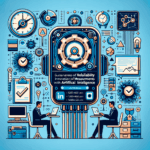
The adoption of Artificial Intelligence (AI) in measurement systems is leading to a significant transformation, but it also requires new assurances of reliability and competence. It’s not just a matter of technology; it also involves rigorous verification and calibration processes, which are essential to ensure that the tools and systems used are precise and reliable. The skills of those working with these tools are equally fundamental.
From smartwatches that monitor vital parameters like heart rate and blood oxygen levels to advanced systems in the aerospace, automotive, and manufacturing sectors, AI is revolutionizing the way we perform measurements. The ability to process data quickly, automatically, and predictively represents a significant leap forward. However, in the face of this rapid change, a crucial question arises: how can we ensure that the data collected and measured are genuinely reliable and managed competently?
The combination of AI and metrology has raised important questions. The introduction of Artificial Intelligence in the field of measurements requires deep reflection. The responses provided by algorithms, which are capable of learning from vast amounts of data and delivering results almost instantaneously, depend on the quality of the data itself. Incorrect or unreliable data during the AI training phase can compromise the performance of measuring instruments, risking a negative impact on the quality of final products and services.
To guarantee the quality of readings, calibration conducted by accredited laboratories remains essential, even for the most sophisticated instruments. In fact, the evolution towards intelligent measurement systems increases the need for technical awareness which, in the context of accreditation, is defined by the value of competencies.
Certified competencies under accreditation represent a fundamental aspect of this innovation process. While Artificial Intelligence can be a strategic resource for improving system efficiency, its correct use requires adequately trained professionals. This is where accredited competency certification comes into play, increasingly aimed at ensuring in-depth training in the field of AI-assisted measurement.
It’s not just about understanding how the tools work, but also the logic of algorithms, calibration principles, and data quality criteria. Certifications issued by qualified independent organizations according to internationally recognized standards attest that a professional possesses and maintains the necessary skills to work competently and up-to-date in this specialized field.
In addition to ensuring market readiness, accredited certification encourages professionals to engage in continuous learning, contributing to the creation of a system based on trust, transparency, and security throughout the measurement process. Without certified competencies, the risk of employing AI without awareness increases, leading to potential critical errors for data quality and safety. In this context, automation cannot be divorced from well-trained and certified human oversight.
Addressing this new frontier of Artificial Intelligence therefore requires a collective commitment from professionals, organizations, and institutions to ensure not only technological innovation but also the quality and reliability of measurements. Only then can AI truly be an ally in our daily activities, contributing to precise results and continuous improvement across various sectors.
In conclusion, the integration of Artificial Intelligence into measurement systems is a fascinating and crucial challenge. To stay updated on these issues and delve deeper into our journey, we invite you to follow us on our social media profiles. Your interaction is important to us and will help us grow together in this rapidly evolving world.